

August 12, 2026
Hotel Door Lock Buying Checklist: 10 Questions to Ask Before You Order
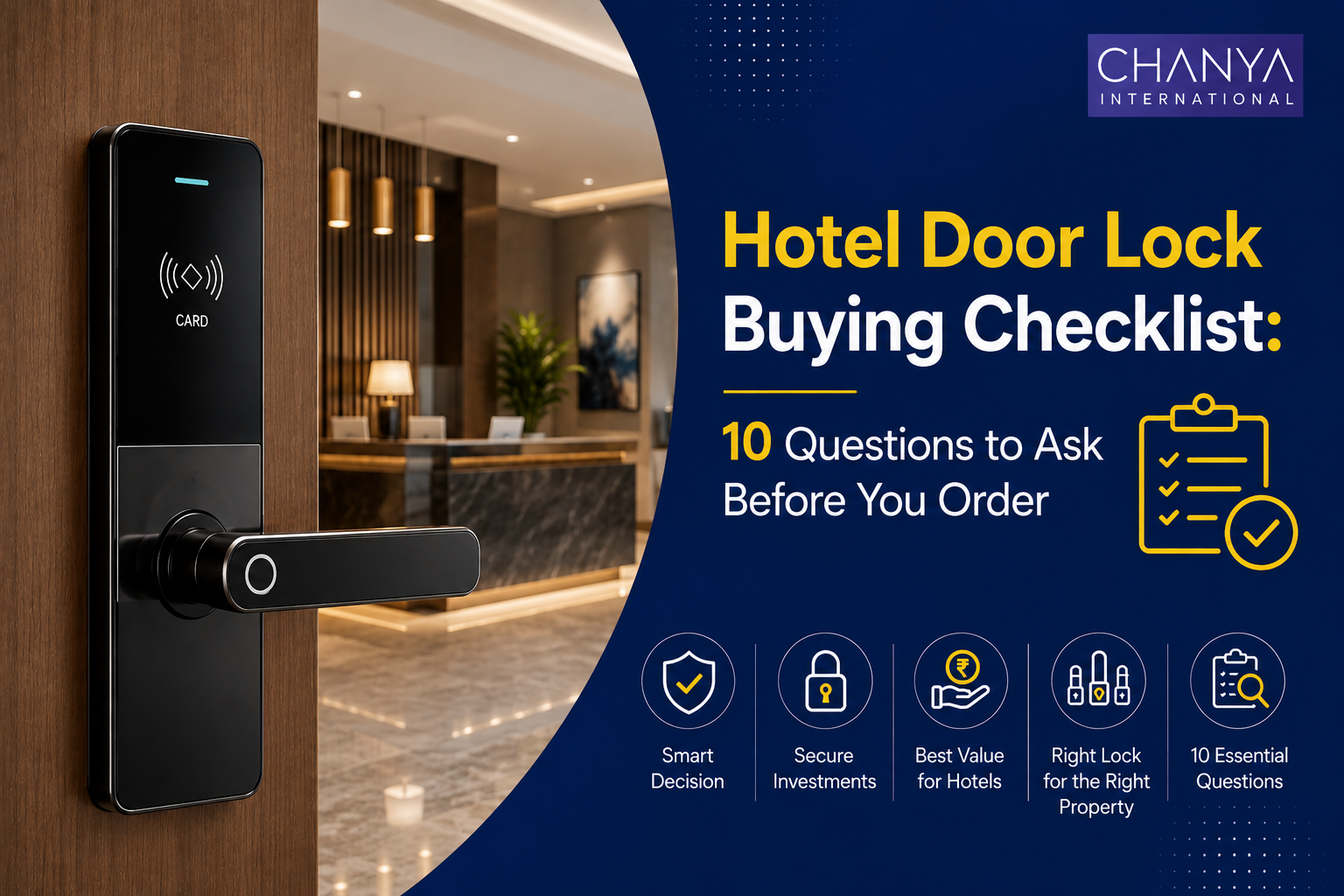
Most hotel owners don’t think much about door locks until they’re mid-renovation and a supplier is sitting across the table with three catalogs and a quote that doesn’t quite add up. That’s usually when the wrong questions get asked, or worse, no questions get asked at all, and the property ends up locked into a system that doesn’t fit for the next seven or eight years.
There isn’t just one right answer here. The best of the hotel door lock types for a 200-room chain property looks nothing like the right pick for a 25-room heritage property. What matters is asking the same ten questions every time, in roughly the same order, so nothing gets decided on the strength of a sales pitch alone. Here’s the checklist we walk clients through as of August 2026, grouped into five areas.
1. Lock Type and Technology
This is where every conversation should start, because it decides almost everything else on this list, from installation cost to how guests actually check in. If you’re still weighing this decision from scratch, choosing the right hotel door lock system is worth a read before you go further down this checklist.
What Lock Type Fits Your Property?
Mechanical, magnetic stripe, and RFID all still exist in the Indian market, and each one solves a different problem. A small homestay rarely needs the same hardware as a business hotel chasing fast check-ins. The range of hotel door lock types India suppliers actually stock has widened a lot over the last couple of years too, so don’t assume your only options are whatever one supplier happens to carry on the shelf. If you haven’t settled on a category yet, our breakdown of RFID vs magnetic vs mechanical hotel locks walks through where each one actually makes sense, and it’s worth reading before a supplier walks you toward whatever they happen to stock.
Is the System Keyless or Card-Based?
A card door lock system for hotels is still the standard for most 3-star and above properties, but keyless setups that unlock from a guest’s phone are becoming a real option rather than a novelty. Ask whether the system you’re quoted can run app-based access later even if you start with cards, since retrofitting that in after the fact usually costs more than building it in from day one.
2. Installation and Compatibility
Once the lock type is settled, the next question is whether it actually fits your building, not just the brochure photo.
Will It Fit Your Existing Doors?
Older properties often have non-standard door thickness or hardware cut-outs from a previous lock generation, and this is where quotes go sideways fast. Ask the supplier to physically survey a sample of doors before finalizing pricing, not just take your word for door count and size. A mismatch here can turn a straightforward swap into a full door replacement job.
Does It Integrate With Your PMS?
A hotel lock that doesn’t talk to your property management system means front desk staff
issuing cards manually and checking access logs by hand, which defeats half the point of going electronic. Confirm the exact PMS you run and ask the hotel door lock system supplier for a written confirmation of compatibility, not a verbal yes, since integration claims are one of the most common gaps between a sales call and an actual installation.
3. Security and Compliance
This part gets skipped more often than it should, usually because it’s less exciting than comparing finishes and card designs.
What Security Certifications Does It Have?
Ask what encryption standard the RFID chips use. Older or budget RFID cards can be cloned far more easily than encrypted formats like Mifare DESFire, and a lock’s marketing sheet won’t always volunteer which one it’s actually running. If a supplier can’t answer this clearly, that’s worth noting on its own.
Does It Meet Fire and Safety Exit Codes?
Under India’s fire and life safety norms, any door on an escape route, and that includes a guestroom door opening onto a corridor, has to let a person exit with a single motion from inside, no card or key required, even when it’s locked from outside. Confirm this in writing for whichever lock model you’re considering, because a lock that’s secure from the outside but fussy from the inside is a genuine safety problem, not just an inconvenience.
4. Cost and Warranty
Price is where most buyers start, but it’s more useful as the fourth question than the first, once you actually know what you’re pricing.
What’s Included in the Total Price?
The per-lock number rarely tells the full story. Encoders, management software, cabling, and installation labor often sit outside the headline quote, and they add up fast across a full property. Our hotel door lock price guide breaks down what a complete system actually costs beyond the hardware, which is worth checking before you compare two quotes side by side.
What Warranty and Support Are Offered?
Get the warranty period in writing, along with what it actually covers, batteries, card readers, the encoder, or just the lock body. A two-year warranty that excludes the battery and the reader isn’t worth much more than a one-year warranty that covers everything.
5. Manufacturer and After-Sales Support
The final two questions matter most after the invoice is paid, which is exactly when they’re easiest to forget.
How Established Is the Manufacturer?
A newer manufacturer isn’t automatically a bad choice, but it’s worth knowing how long they’ve actually been making a door lock for hotel properties specifically, not just security hardware in general. Comparing a few options from our list of best hotel door lock systems is a reasonable way to see how established manufacturers stack up against newer entrants before you commit to either.
What Does After-Sales Service Look Like?
Ask how fast a technician can reach your property if a reader fails, and whether spare parts are stocked locally or need to be ordered in. This question matters more with hotel accessories suppliers who also handle other hospitality items, since locks can end up as a smaller line item that gets deprioritized if something else in the order needs attention first. A supplier who treats locks as a core product, not an add-on, tends to respond faster when something actually breaks.
Hotel Door Lock Buying FAQs
How many locks should I order for a full property?
A key card door lock for hotels typically gets ordered one per guestroom door, plus a small buffer, usually 3 to 5 percent of total room count, to cover spares for quick replacements without waiting on a fresh shipment. Back-of-house doors, staff entries, and storage rooms should be counted separately since they often use a different lock type.
Can I mix lock types across different floors?
Yes, and many properties do this during a phased upgrade. It’s common to run RFID on guest floors while staff and storage areas keep simpler mechanical locks, as long as the property management system and front desk workflow can handle both without confusion.
How long does installation take for a full property?
A mid-size property with 80 to 150 rooms typically takes one to two weeks for a full swap, assuming doors don’t need modification. Retrofits on older buildings with non-standard doors can run longer, which is another reason a pre-installation door survey is worth insisting on.
Do suppliers offer free samples or demos?
Most established hotel door lock manufacturers will send a sample unit or arrange a demo installation on one or two doors before a full order. If a supplier won’t do this for an order of any real size, treat that as a signal worth asking more about.
What documents should I ask for before ordering?
Get a written quote itemizing hardware, software, encoders, and installation, along with the warranty terms and a compliance statement covering fire and safety exit requirements. Keep these on file, not just the invoice, since they matter later if there’s ever a dispute over what was promised.
Is it better to buy from a manufacturer or a distributor?
Both work, and the better choice depends on order size and location more than a fixed rule. Buying direct from a manufacturer can mean better pricing on large orders, while working with local hospitality items suppliers or distributors often means faster support and easier replacement parts if your property isn’t near the manufacturer’s own service centers.
Other Blog You May like
September 24, 2026
Hotel Door Lock vs Smart Lock: What’s the Difference?
At first glance, a hotel door lock and a smart...
Read More
September 17, 2026
Electric Kettle with Tray Set for Hotels: A Buying Guide for Guestrooms
Every guestroom checklist has a kettle tray set on it,...
Read More
September 10, 2026
How to Choose the Right Absorption Minibar for Hotels?
Every general manager who's replaced a batch of minibars has...
Read More
September 3, 2026
Energy Saving Switch Price in India: What Affects the Cost
Electricity alone can account for one of the largest operating...
Read More
August 27, 2026
Housekeeping Trolley for Hotels: Types, Sizes and How to Choose One
You can tell a lot about a hotel by looking...
Read More
August 18, 2026
How Hotel Chains Choose a Door Lock Supplier for Multi-Property Rollouts
Buying locks for one hotel is a fairly contained decision....
Read More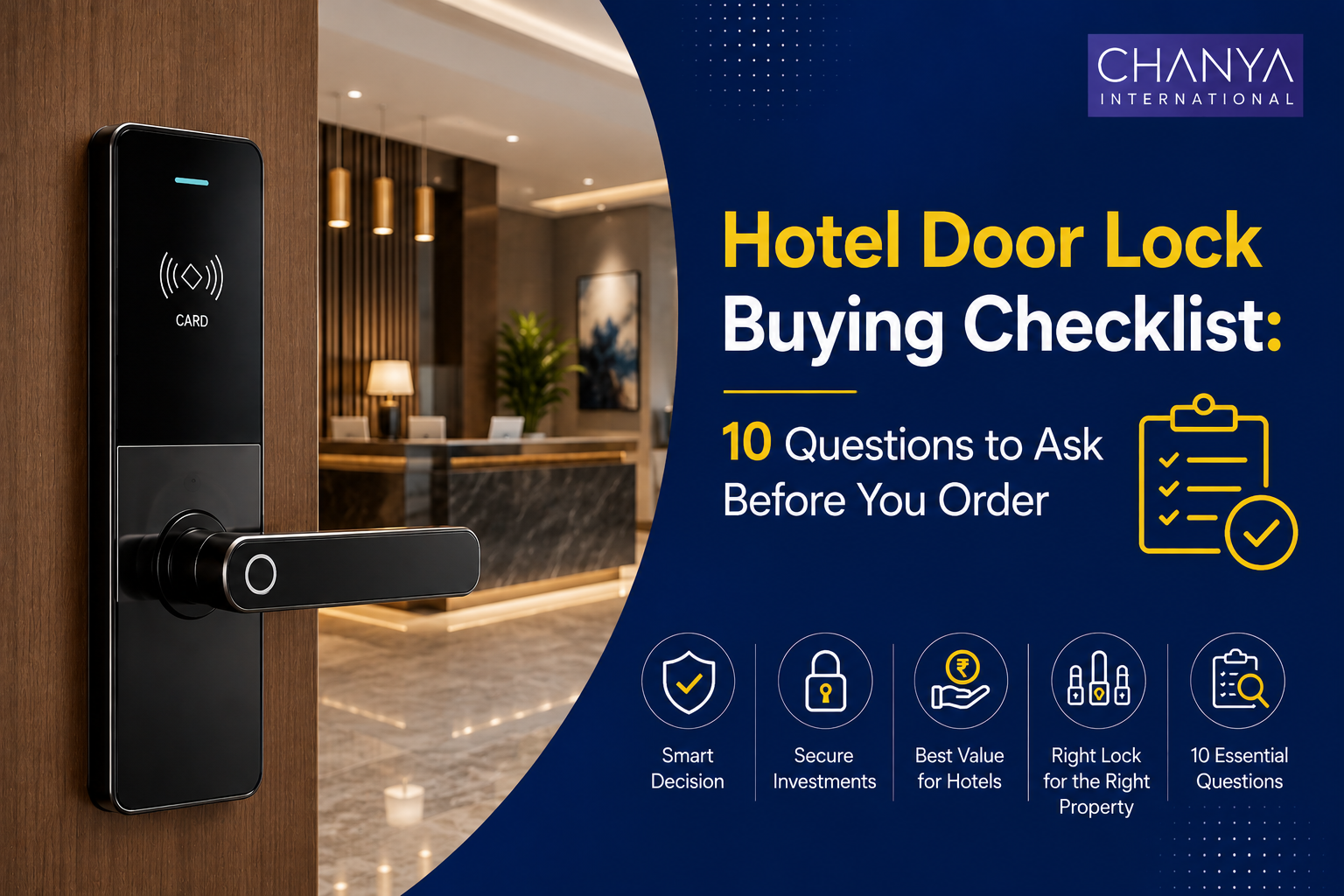
August 12, 2026
Hotel Door Lock Buying Checklist: 10 Questions to Ask Before You Order
Most hotel owners don't think much about door locks until...
Read More
August 3, 2026
RFID vs Magnetic Stripe vs Mechanical Hotel Locks: Which Should You Buy?
Walk into ten different hotels and you'll probably come across...
Read More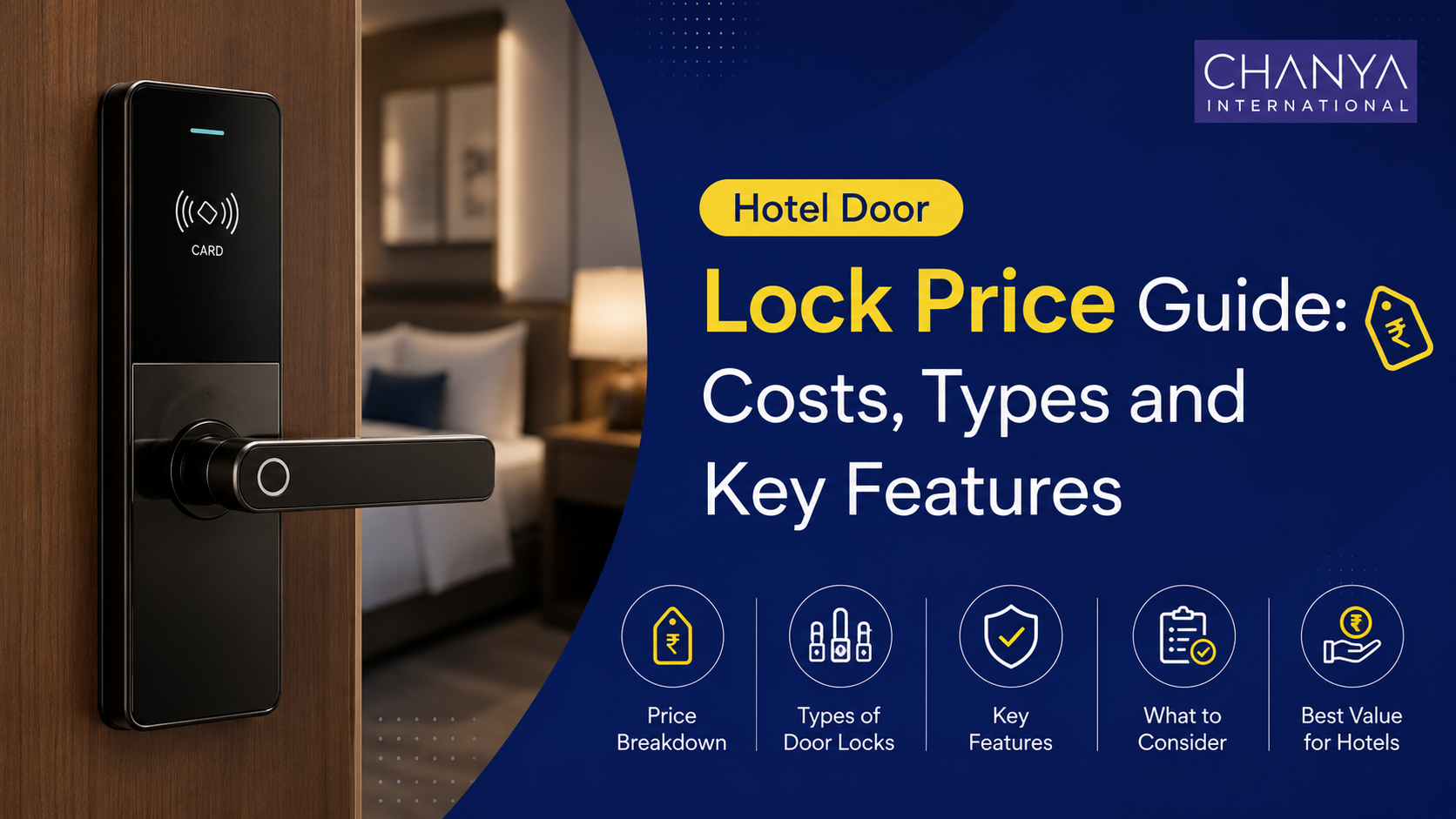
July 28, 2026
Hotel Door Lock Price Guide: Costs, Types and Key Features
If you are preparing for the security upgrade of your...
Read More
January 28, 2026
Hotel Safe Usage: Essential Do’s and Don’ts
When a guest walks into their room, the first thing...
Read More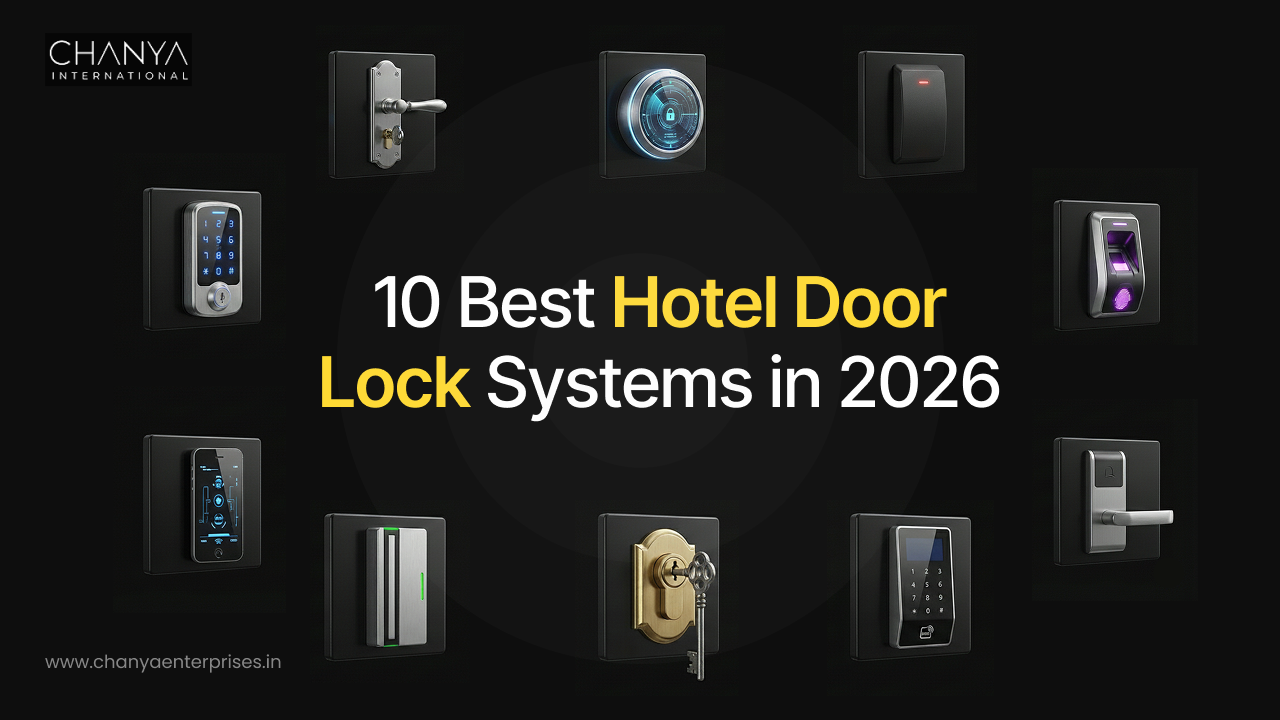
December 22, 2025
10 Best Hotel Door Lock Systems in 2026
Why 2026 Is a Turning Point for Hotel Security Hotel...
Read More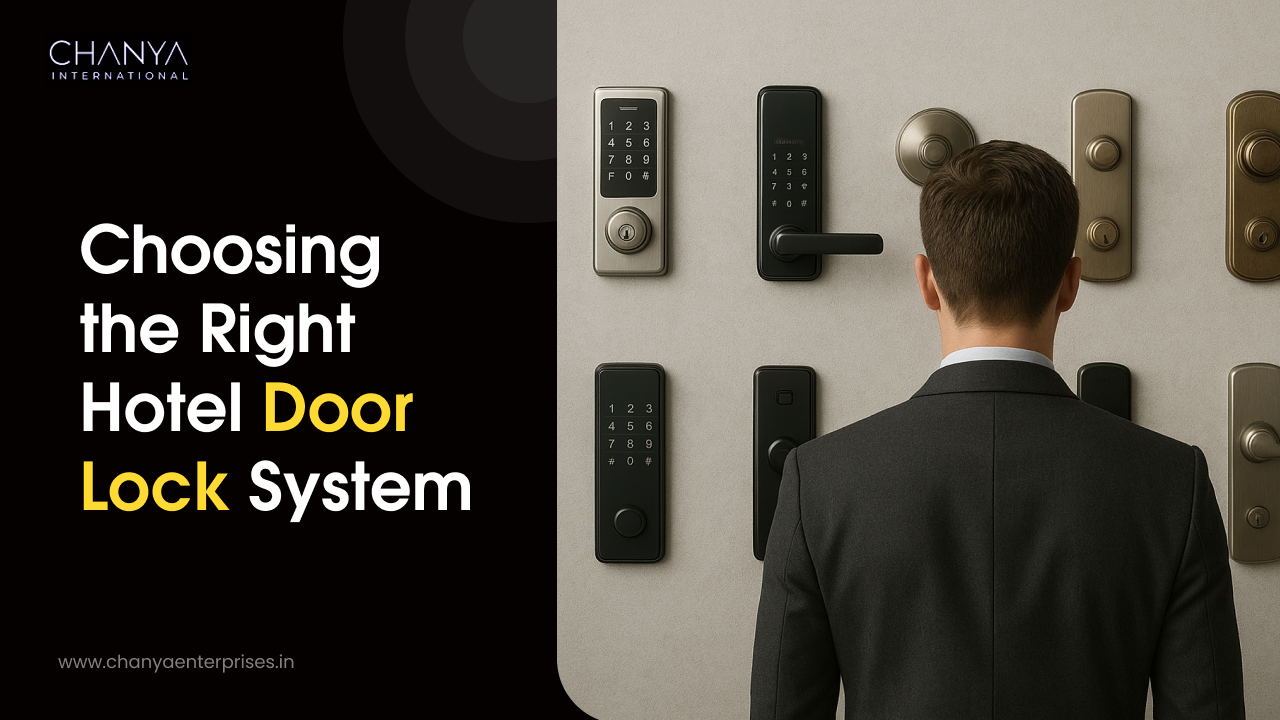
December 5, 2025
Choosing the Right Hotel Door Lock System
Did you know that guest anxiety about security decreases a...
Read More
August 19, 2025
Hotel Room Phones: Small Device, Big Impact on Guest Satisfaction
When you enter a contemporary hotel room, your attention immediately...
Read More
August 1, 2025
Why More Hotels Are Switching to Absorption Minibars?
When guests enter a hotel room, they have much to...
Read More
July 18, 2025
Enhance Guest Stay with Quality Bathroom Supplies
When one enters a hotel room, the bathroom is often...
Read More
June 20, 2025
Is Your Hotel Ready for Today’s Security Challenges?
Hotel security has come a long way past the key...
Read More
June 13, 2025
Eco-Friendly Hospitality: Mindful Choices for Tomorrow
Nowadays, sustainability is not something to be thought of afterwards,...
Read More
May 22, 2025
5 Tips to Choose the Right Hotel Supplier Partner
Running a hotel is all about constantly trying to make...
Read More
May 13, 2025
7 Creative Hotel Design Tips to Delight Guests This Holiday Season
Summer break is the ideal time for travellers to unwind,...
Read More
April 23, 2025
Boost Your Hotel Occupancy: Budget-Friendly Strategies That Work
In the hotel business, occupancy rates define a hotel’s reputation...
Read More
April 8, 2025
Top Benefits of Installing Digital Doorbells in Hotels
The hotel industry has witnessed very quick changes, taking guest...
Read More
March 26, 2025
How to Elevate Your Hotel Room Service Experience in 2025
In 2025, the room service experience is more important to...
Read More
March 7, 2025
Top Emerging Hospitality Industry Trends : What You Need to Know in 2025
Change is the only constant in this constantly changing hospitality...
Read More
February 7, 2025
Key Features to Look for in a Hotel Safe
Guest security is a key aspect of any hotel’s success...
Read More
January 27, 2025
5 Simple Ways to Make Your Hotel Reception Area Irresistibly Inviting
The first issue a guest sees while entering your lodge...
Read More
December 27, 2024
Innovative Laundry Solutions for Modern Hotels
Laundry is one of the most important yet underrated areas...
Read More
December 12, 2024
How Digital Door Bell Systems Improve Guest Satisfaction
Convenience and security are the buzzwords in today's fast-moving world,...
Read More
November 28, 2024
Hotel Amenities That Will Make Your Guests Feel Like Royalty
Every visitor who walks through the doorways of your hotel...
Read More
November 5, 2024
Essential Safety Tips for Guests Using Hotel Safes
Hotel safes are now a standard feature, especially in the...
Read More
October 18, 2024
Top 5 Hotel Amenities Suppliers In India | List Of 2026
In the hospitality industry, delivering exceptional quality is not just...
Read More
September 26, 2024
What is a Hotel Energy Saving Switch and How Does it Work?
Today, hotels are facing a significant challenge: the operational costs...
Read More
September 12, 2024
Top 6 Hotel Security Devices To Keep Your Guests Safe
Within the hospitality industry, hotels are greater than simply locations...
Read More
August 13, 2024
Guide On How To Enhance Guest Experience in Hotels?
Creating a memorable guest experience is no longer a luxury;...
Read More
August 5, 2024
Hotel Lobby Signage Items – Types And Their Importance
Imagine creating a hotel experience that delights guests and keeps...
Read More
July 24, 2024
Easy Upgrades for Your Hotel in 2026
Ensuring your hotel remains vibrant and appealing is essential for...
Read More
April 3, 2024
10 Must-Have Hotel Supplies for Guest Satisfaction in 2026
Ensuring your hotel guests are happy is crucial for your...
Read More
April 3, 2024
The Importance of Quality Housekeeping Supplies
In the hotel industry, providing excellent service to guests is...
Read More
April 3, 2024
Trends in Lobby Design and Products for 2024
Thinking about upgrading your hotel lobby? It's important to make...
Read More
December 26, 2023
The International Food & Hospitality Fair
Lorem Ipsum is simply dummy text of the printing and typesetting...
Read More
December 26, 2023
The International Food & Hospitality Fair
Lorem Ipsum is simply dummy text of the printing and...
Read More
December 26, 2023
The International Food & Hospitality Fair
Lorem Ipsum is simply dummy text of the printing and...
Read More
December 25, 2023
The International Food & Hospitality Fair
Lorem Ipsum is simply dummy text of the printing and...
Read More
December 25, 2023
The International Food & Hospitality Fair
Lorem Ipsum is simply dummy text of the printing and...
Read More
December 25, 2023
The International Food & Hospitality Fair
Lorem Ipsum is simply dummy text of the printing and...
Read More