

October 29, 2026
Key Card vs Motion Sensor Energy Saving Switch: Which Should You Buy?
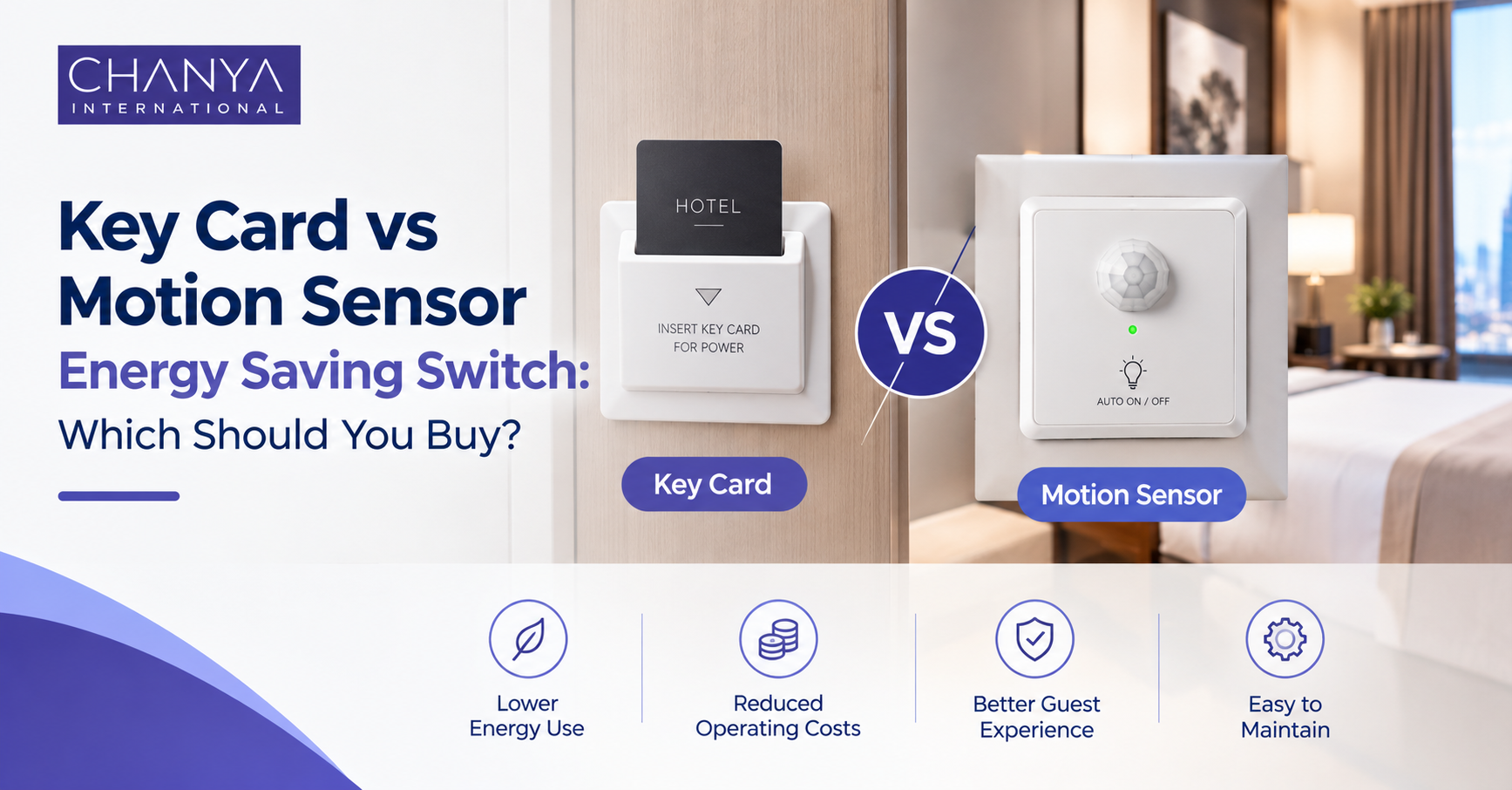
A key card switch and a motion sensor switch do the same job. They stop a room from burning power when nobody is in it. They just decide “nobody is in it” in very different ways. One waits for the guest to pull out a card. The other watches for movement. Which one suits you depends on your rooms, your guests and your budget, so here is a plain comparison before you place an order.
Key Card vs Motion Sensor Energy Saving Switch: How Do They Work?
Both are built to cut power when a room is empty. The difference is how they know it is empty.
How a Key Card Energy Saving Switch Works
The guest slots the room card into a holder by the door, and that powers the lights, AC and sockets. Pull the card out and the power drops after a short delay. Many hotels use one card for the switch and for their hotel room door locks, and our guide on how a hotel key card lock works covers the lock side.
How a Motion Sensor Energy Saving Switch Works
A sensor watches for movement or body heat. When it sees someone, it switches on. When nothing moves for a set time, it switches off. Unlike a key card switch, a motion sensor switch works without a card. It detects movement and controls the power automatically. This makes it a useful choice for hotel bathrooms, corridors, and other areas where lights need to turn on and off as people enter and leave.
What Happens When Guests Leave the Room?
With a card switch, power drops once the card comes out. With a sensor, it drops after the timer runs out, which takes a few minutes longer. A guest who leaves a card in the slot defeats the card switch.
Key Differences Between Key Card and Motion Sensor Switches
Here is how they compare on the things that matter day to day.
Energy Saving Performance
A card switch is the more certain of the two, because power drops the moment the card leaves. A sensor can cut the lights on a guest sitting still, or stay on because a curtain or fan keeps moving.
Guest Convenience and Room Experience
A card switch asks guests to remember the slot, and some find that fussy. A sensor asks for nothing, but a wrong setting can switch lights off on a guest reading quietly.
Installation and Compatibility
A card switch needs a wall point near the door and wiring for the full room load. A sensor needs a clear view of the room and is often easier to fit. Ask whoever handles your energy saving switch supplies to survey one sample room first.
Maintenance and Long-Term Reliability
Card slots holders with daily use and need the odd cleaning. Sensors need a clean lens and a proper setting, since airflow or sunlight can set them off.
Which Energy Saving Switch Is More Cost-Effective for Hotels?
The cheaper switch on paper is not always the cheaper one over five years. Look at purchase, savings and upkeep together.
Initial Purchase and Installation Costs
Unit prices overlap a lot, so compare specifications, not labels. Wiring and labor often change the total more than the switch does. Our guide to energy saving switch price in India explains what drives the number.
Potential Electricity Savings
Savings depend on how often rooms sit empty with the AC running. A card switch cuts the whole room, while a sensor often saves mostly on lights and small spaces like bathrooms.
Replacement and Maintenance Costs
Cheap units of either type tend to fail first at the relay or the sensor. A longer warranty and spares on the shelf matter more than a small price gap.
When the Higher Upfront Cost Makes Sense
Pay more when rooms are busy, the AC load is large or you have many rooms. A small saving per room adds up quickly across a floor.
Which Switch Should Your Hotel Choose?
There is no single winner. It depends on how your property runs.
Key Card Switches for Hotels With Controlled Room Access
If guests already use a card to get in, a card switch is the natural fit for guest rooms. Power follows access, and staff cards can be set to work too.
Motion Sensors for Automated Energy Management
Sensors suit corridors, washrooms, store rooms and meeting rooms, where nobody has a card to insert.
Factors to Consider Based on Hotel Size and Room Type
A small guesthouse may only need sensors in common areas. A large hotel with many identical rooms gains most from card switches. Suites with separate zones may need both.
Can Hotels Use Both Systems Together?
Yes, many hotels do. The card switch powers the main room, and a sensor the bathroom or corridor. Use the card switch to finalise things and try one room first.
What Should You Check Before Buying an Energy Saving Switch?
Most issues appear after delivery, not beforehand. A few inspections up front can help you catch most of them.
Electrical Load and Compatibility
Calculate the real loads of the switch, e.g. the geyser lights AC, and plugs. A card switch must be rated for all of that, as oppose to just a sensor switching one light, or it will run hot and burn out prematurely.
Sensor Accuracy and Detection Range
Verify how far and at what angle the sensor scans. A tall headboard or wardrobe will obstruct the scan and the sleeping guest doesn’t move around much. Find out if the off-delay can be changed so lights don’t switch off on a guest reading in bed.
Card Compatibility and Access Control
Your switch needs to read the same card as your door lock or your guests will need to carry 2 cards. Check with your hotel door lock system supplier, which kinds of cards and slot sizes it supports.
Product Quality, Warranty, and Supplier Support
Get the warranty in writing and ask what it covers. Some only cover the switch body, not the relay or sensor, which break first. Find out how long it takes to replace it, as the room will not have AC or lights with a dead switch.
Buying From Reliable Energy Saving Switch Supplies
Buy from a hotel supplier that also sells locks and other room essentials: it’s one call for switches, spares, and support. Request a sample, and test in a single room for several weeks before ordering for all.
FAQs About Key Card and Motion Sensor Energy Saving Switches
Which Is Better for Hotels, Key Card or Motion Sensor Switches?
For guest rooms, a key card switch is usually the safer pick, since power follows the card. Sensors work better in washrooms, corridors and back areas. Many hotels use both.
Do Motion Sensor Switches Save More Energy Than Key Card Switches?
Not in guest rooms. A card switch kills the entire room when you take a card out while the sensor often only kills the lighting and activates the timer.
Are Key Card Energy Saving Switches Compatible With Hotel Door Locks?
Usually yes if the switch detects the same card type as the lock. Double check the card format and slot size when placing the order with the supplier.
Can Existing Hotel Rooms Be Upgraded With Energy Saving Switches?
Yes. Typically retrofitable, some have older wiring. Consult an electrician about a test room.
What Should Hotels Consider Before Buying in Bulk?
Try out a sample in some rooms, review the load rating, ensure card compatibility, and request tiered prices, written warranty terms, and spare parts.
Other Blog You May like
October 29, 2026
Key Card vs Motion Sensor Energy Saving Switch: Which Should You Buy?
A key card switch and a motion sensor switch do...
Read More
October 23, 2026
Hotel Door Lock Maintenance: A Practical Guide for Hotel Owners & Maintenance Teams
Hotel Door Lock Maintenance: A Practical Guide for Hotel Owners...
Read More
October 16, 2026
How Do Hotel Key Card Locks Work? A Complete Guide for Hoteliers
Hotel key cards have made room access easier for both...
Read More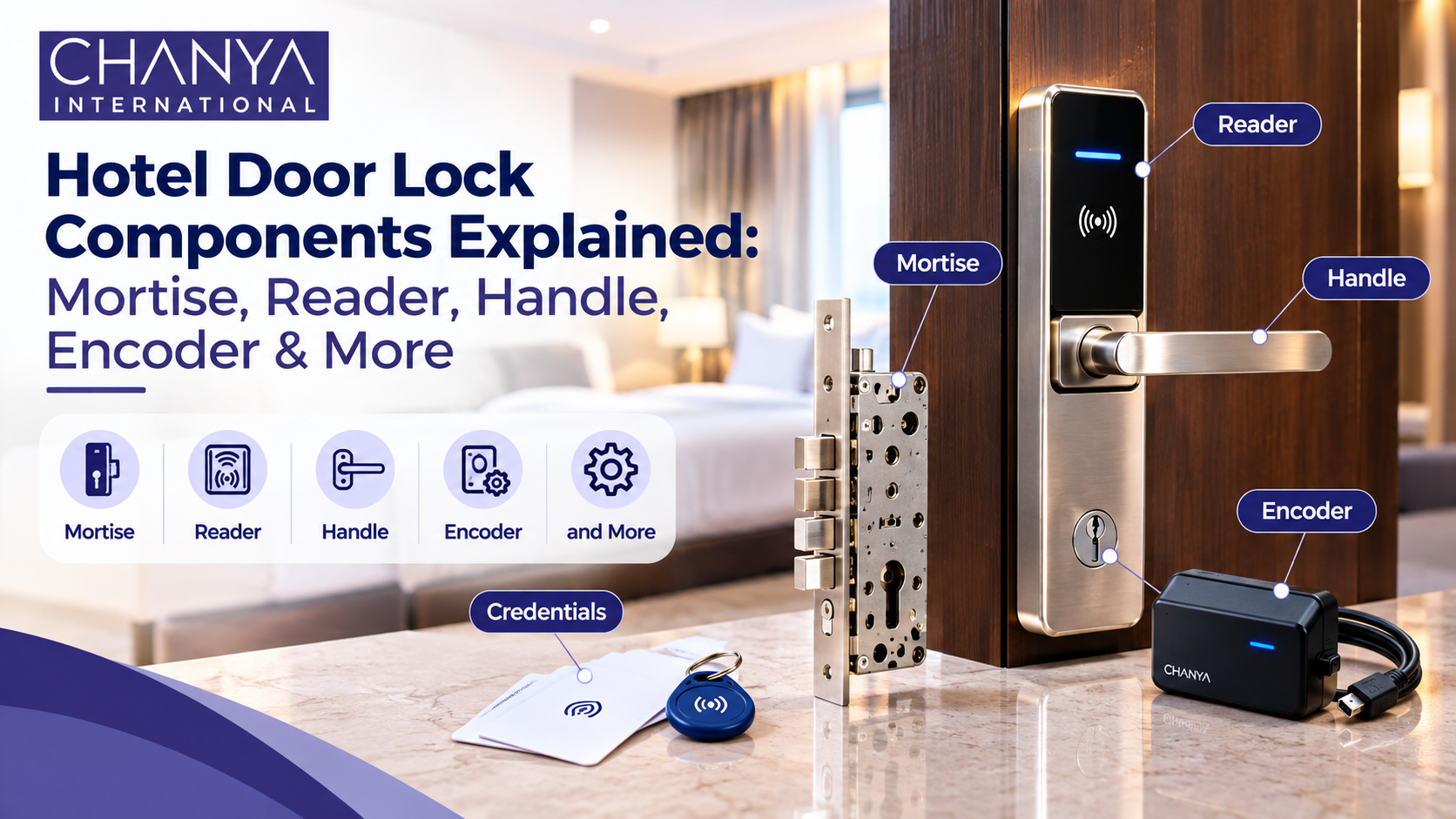
October 9, 2026
Hotel Door Lock Components Explained: Mortise, Reader, Handle, Encoder & More
Ask any front office manager about their worst nights and...
Read More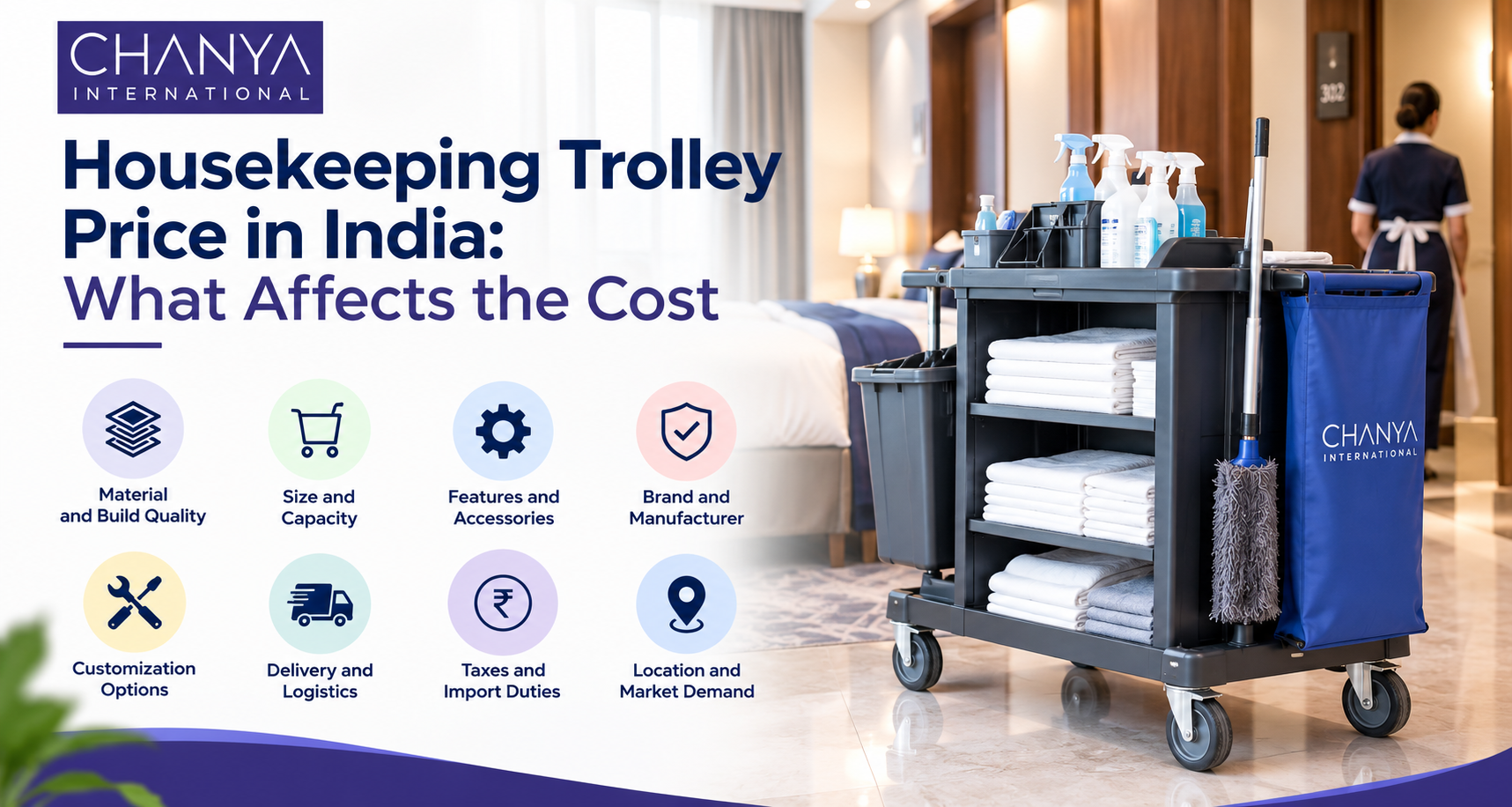
October 1, 2026
Housekeeping Trolley Price in India: What Affects the Cost
Every housekeeping manager has had this conversation at some point,...
Read More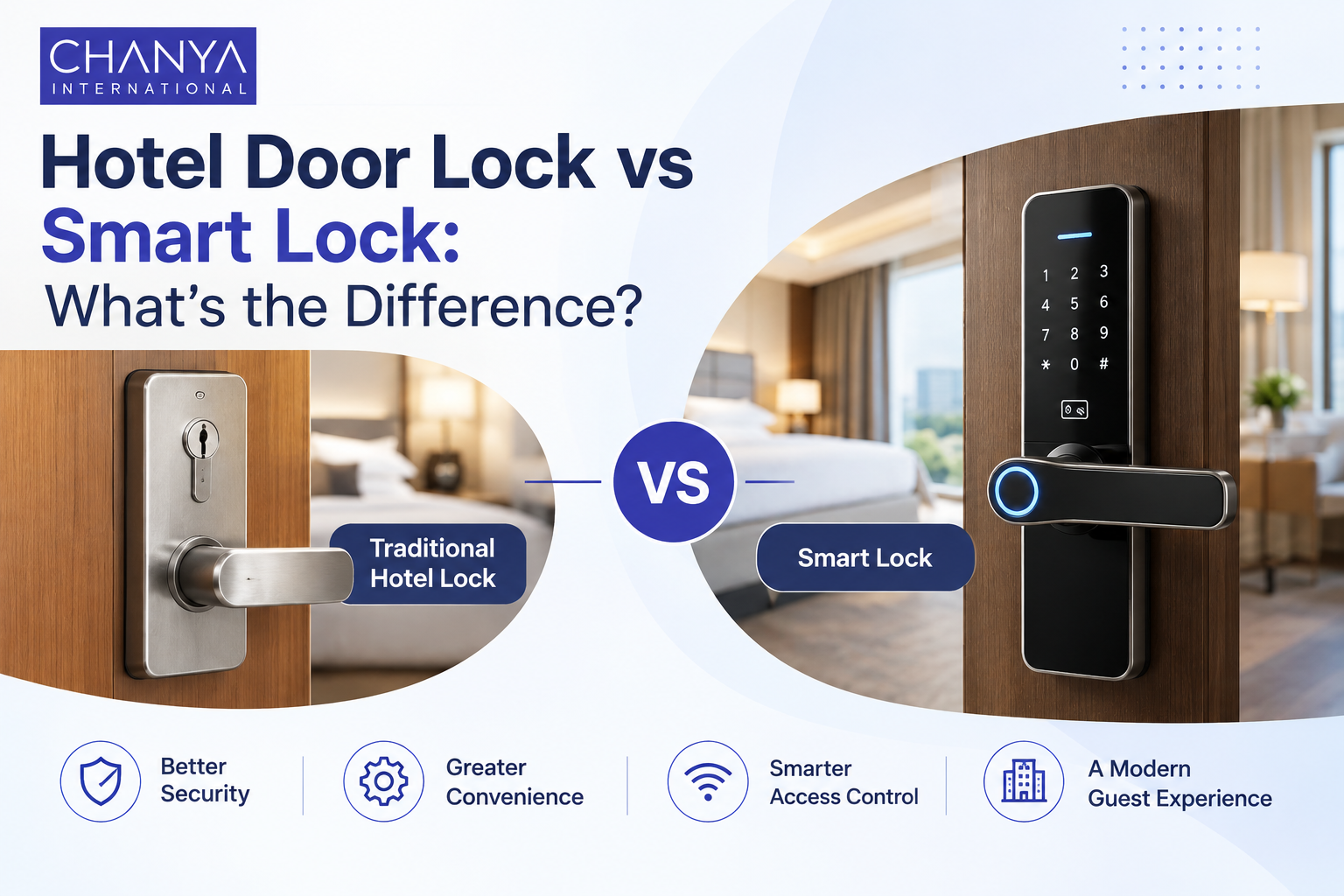
September 24, 2026
Hotel Door Lock vs Smart Lock: What’s the Difference?
At first glance, a hotel door lock and a smart...
Read More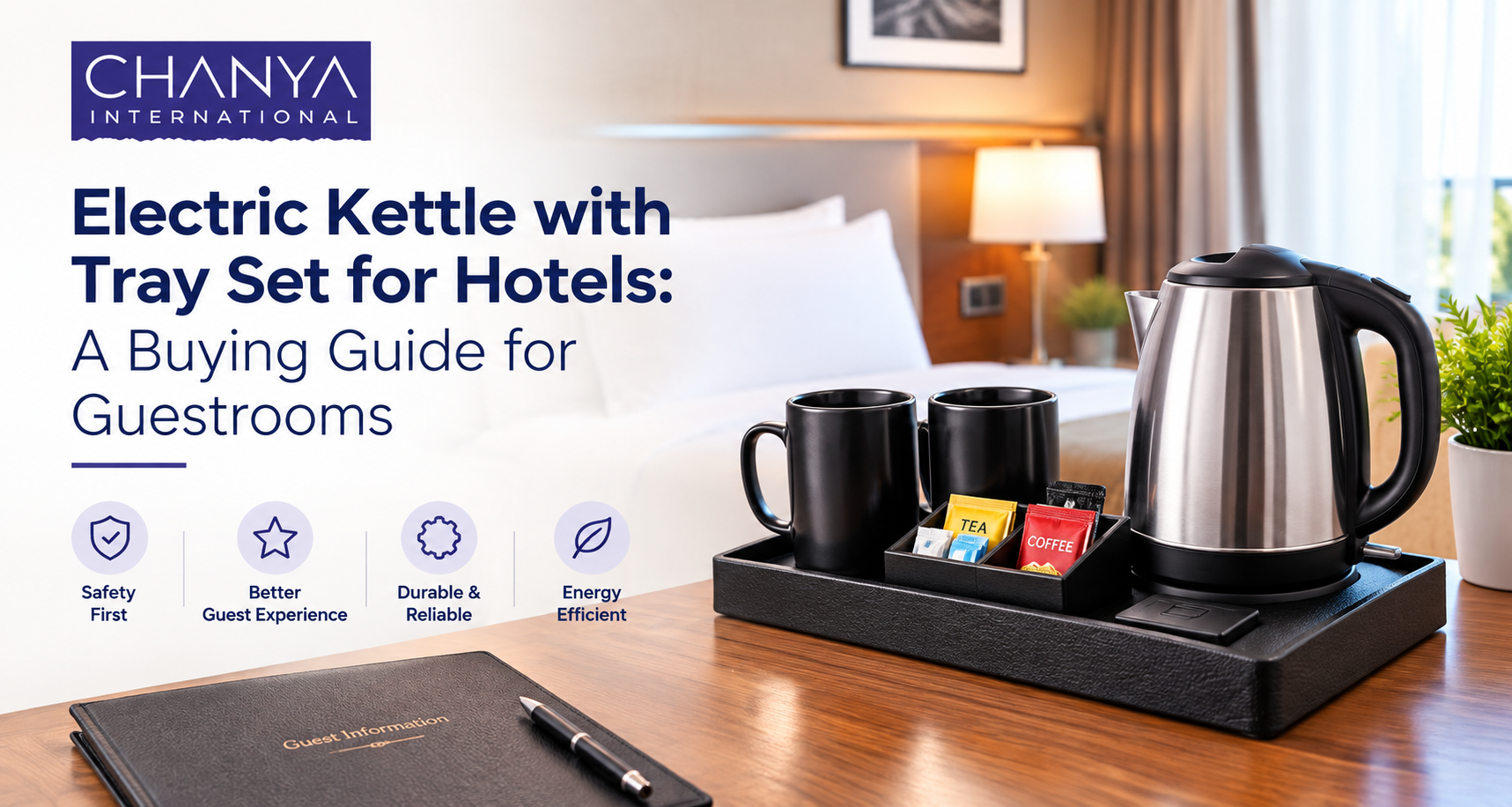
September 17, 2026
Electric Kettle with Tray Set for Hotels: A Buying Guide for Guestrooms
Every guestroom checklist has a kettle tray set on it,...
Read More
September 10, 2026
How to Choose the Right Absorption Minibar for Hotels?
Every general manager who's replaced a batch of minibars has...
Read More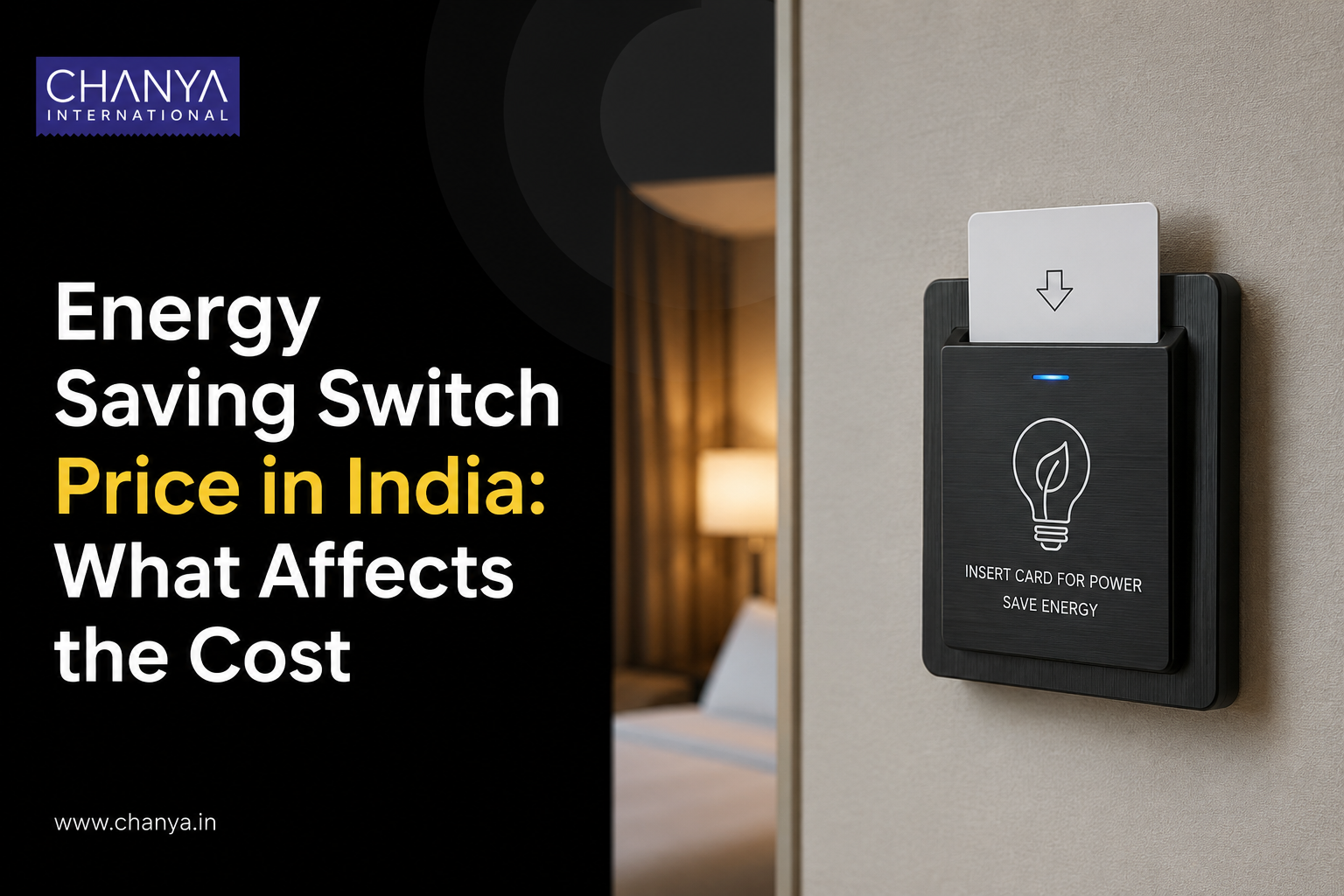
September 3, 2026
Energy Saving Switch Price in India: What Affects the Cost
Electricity alone can account for one of the largest operating...
Read More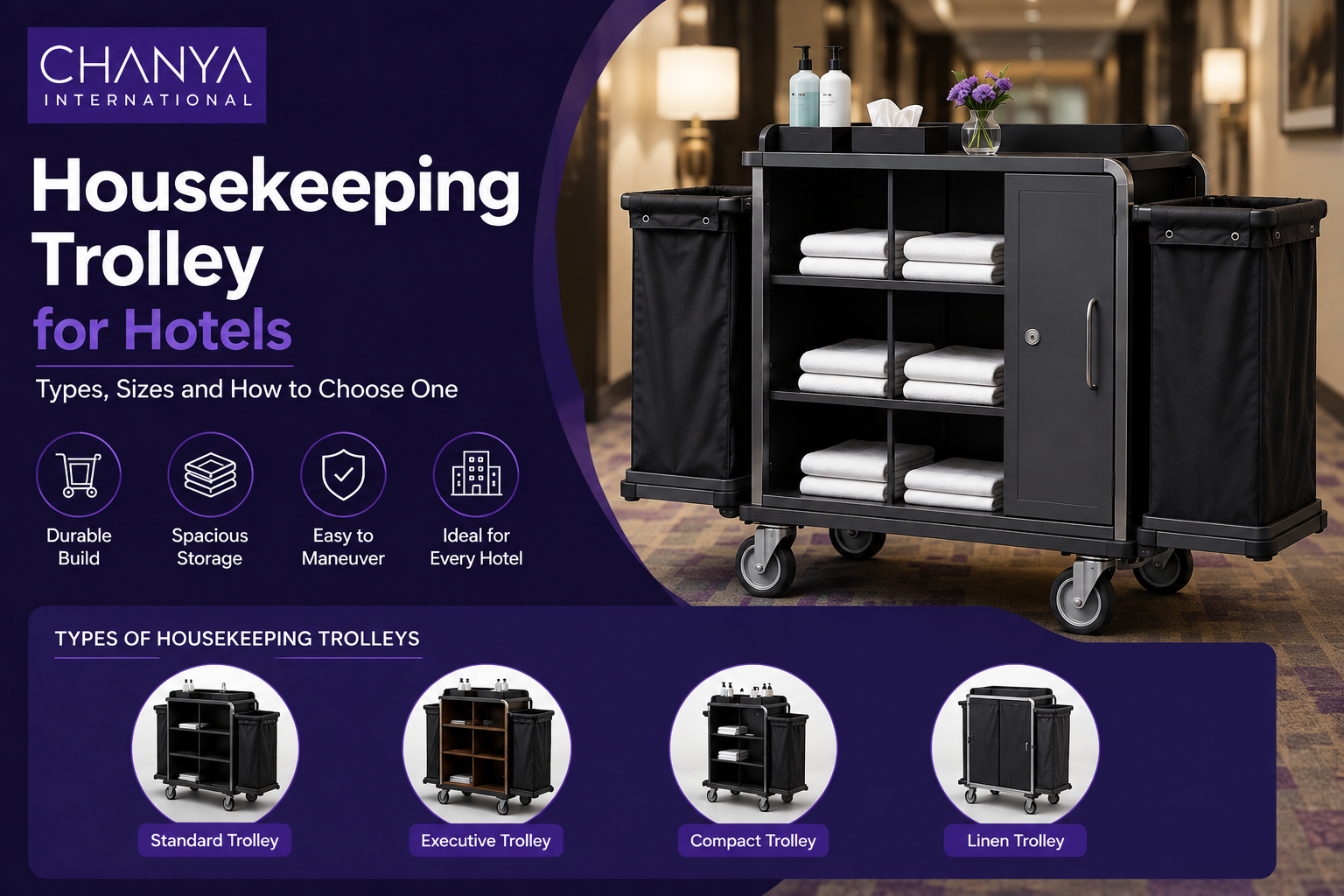
August 27, 2026
Housekeeping Trolley for Hotels: Types, Sizes and How to Choose One
You can tell a lot about a hotel by looking...
Read More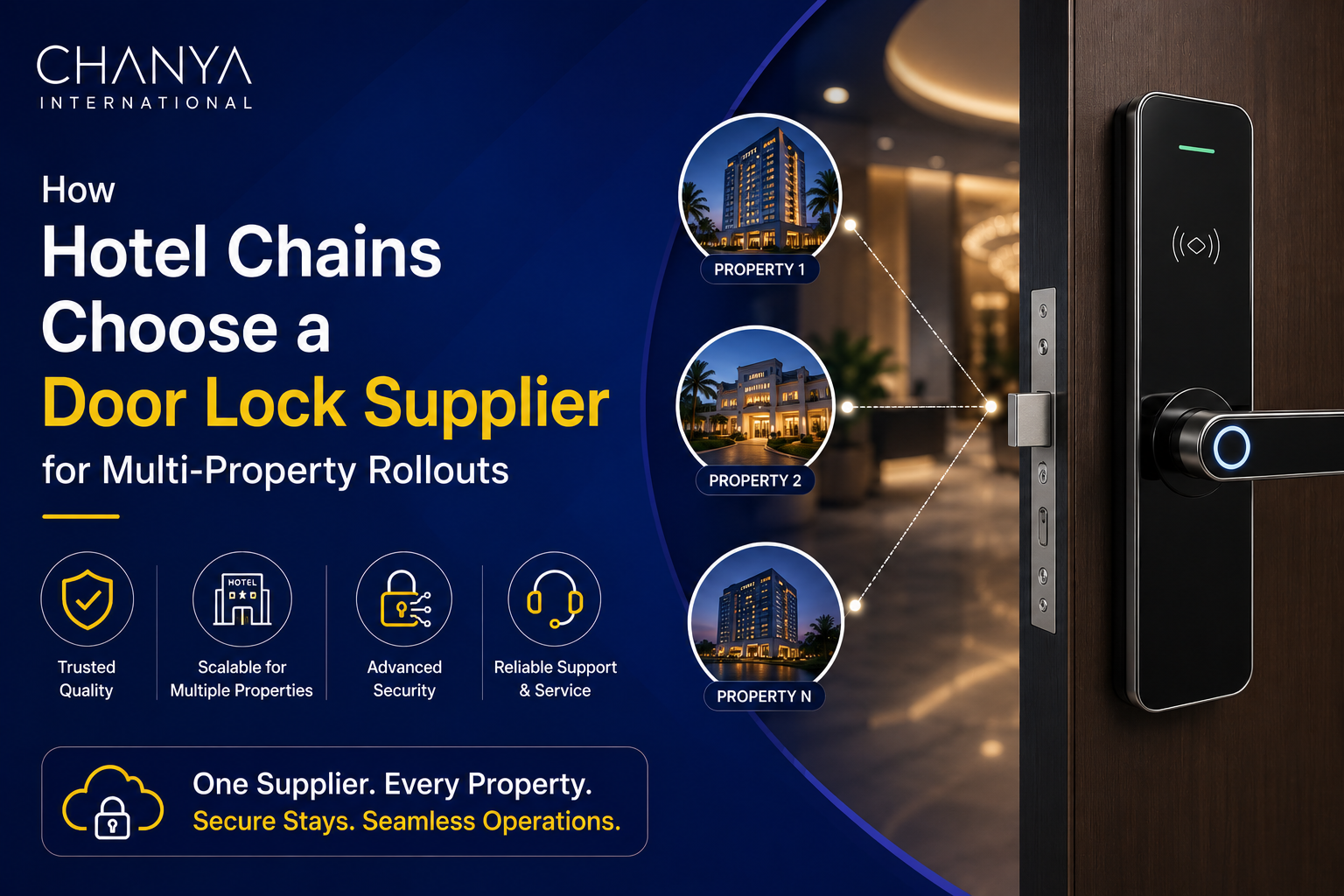
August 18, 2026
How Hotel Chains Choose a Door Lock Supplier for Multi-Property Rollouts
Buying locks for one hotel is a fairly contained decision....
Read More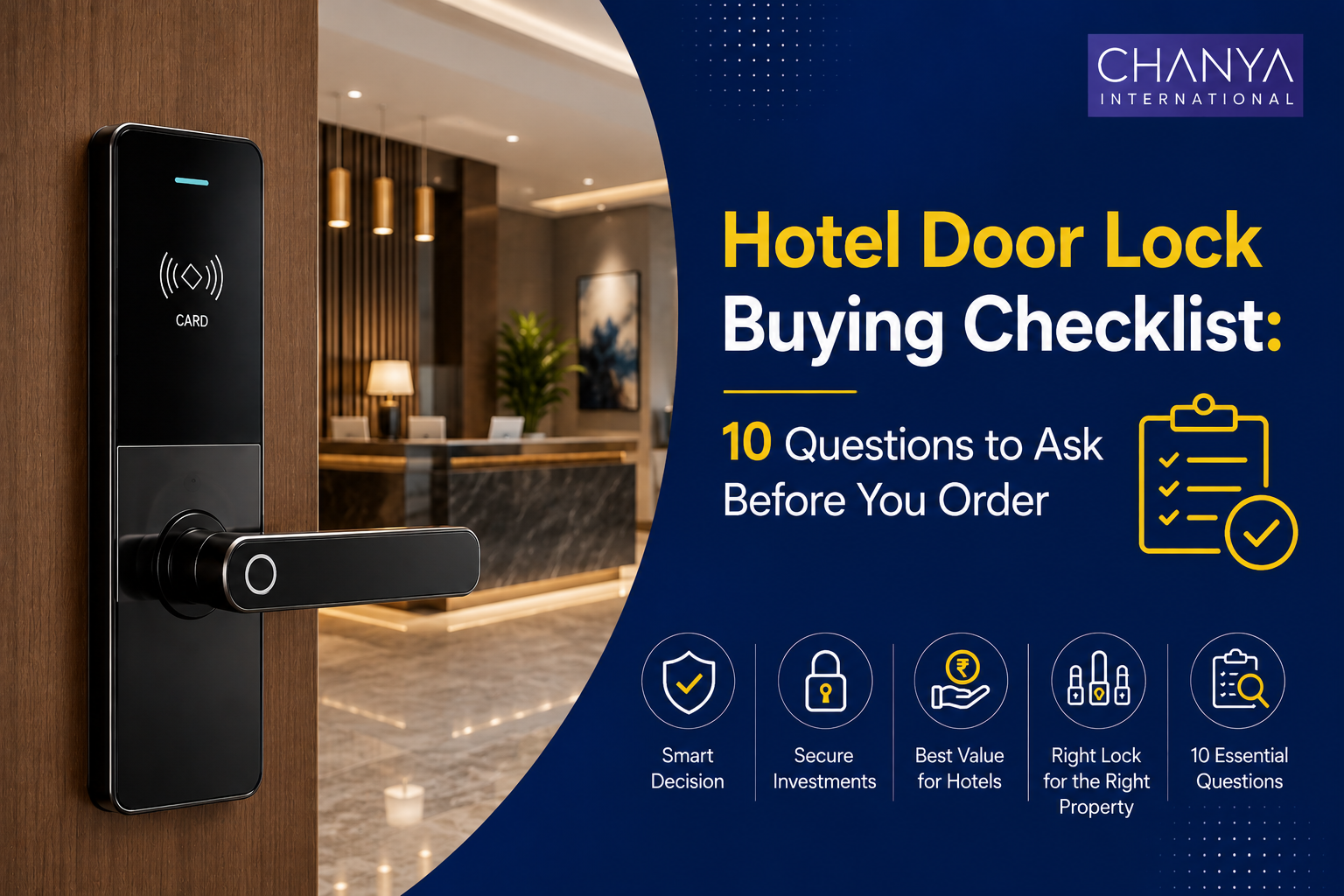
August 12, 2026
Hotel Door Lock Buying Checklist: 10 Questions to Ask Before You Order
Most hotel owners don't think much about door locks until...
Read More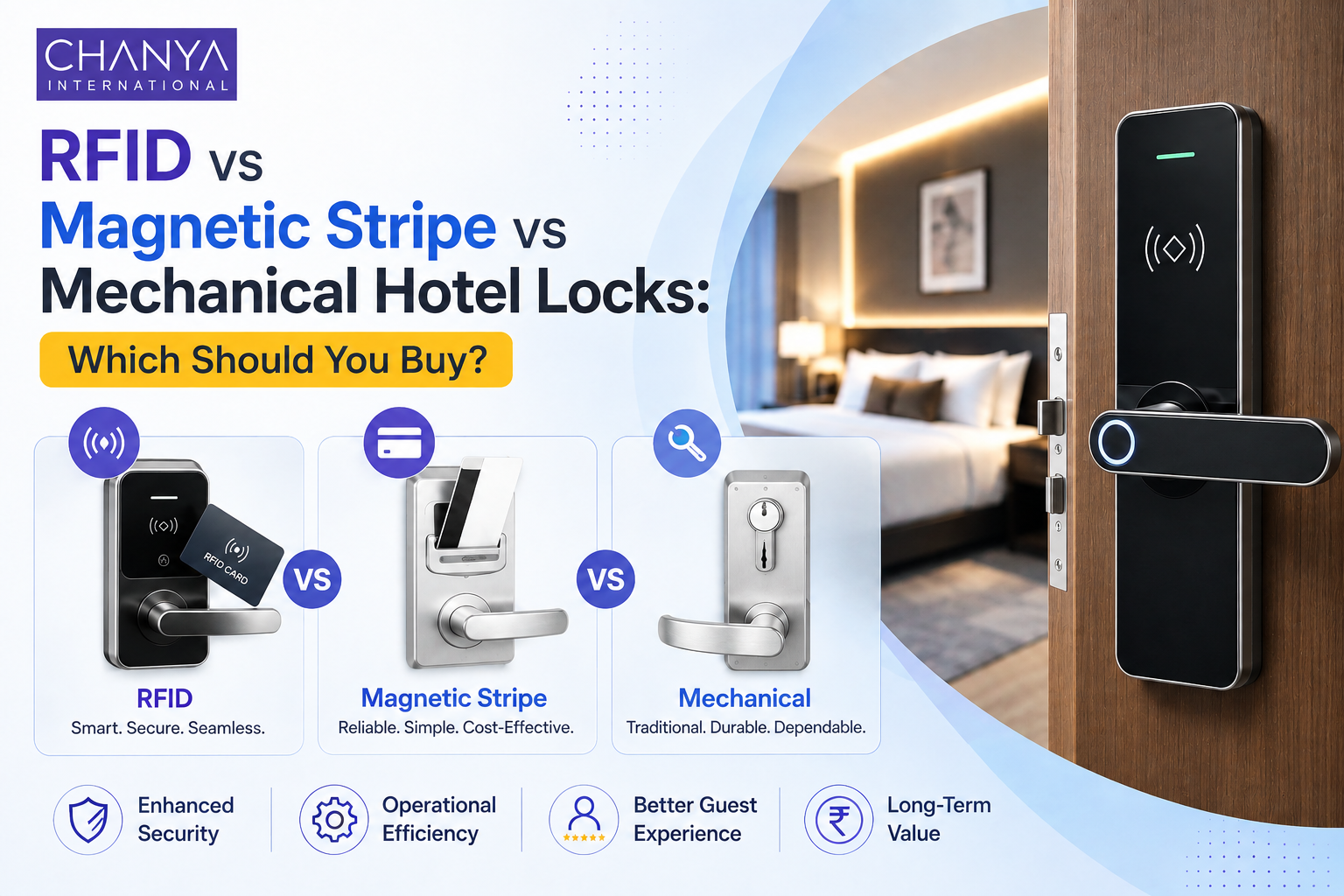
August 3, 2026
RFID vs Magnetic Stripe vs Mechanical Hotel Locks: Which Should You Buy?
Walk into ten different hotels and you'll probably come across...
Read More
July 28, 2026
Hotel Door Lock Price Guide: Costs, Types and Key Features
If you are preparing for the security upgrade of your...
Read More
January 28, 2026
Hotel Safe Usage: Essential Do’s and Don’ts
When a guest walks into their room, the first thing...
Read More
December 22, 2025
10 Best Hotel Door Lock Systems in 2026
Why 2026 Is a Turning Point for Hotel Security Hotel...
Read More
December 5, 2025
Choosing the Right Hotel Door Lock System
Did you know that guest anxiety about security decreases a...
Read More
August 19, 2025
Hotel Room Phones: Small Device, Big Impact on Guest Satisfaction
When you enter a contemporary hotel room, your attention immediately...
Read More
August 1, 2025
Why More Hotels Are Switching to Absorption Minibars?
When guests enter a hotel room, they have much to...
Read More
July 18, 2025
Enhance Guest Stay with Quality Bathroom Supplies
When one enters a hotel room, the bathroom is often...
Read More
June 20, 2025
Is Your Hotel Ready for Today’s Security Challenges?
Hotel security has come a long way past the key...
Read More
June 13, 2025
Eco-Friendly Hospitality: Mindful Choices for Tomorrow
Nowadays, sustainability is not something to be thought of afterwards,...
Read More
May 22, 2025
5 Tips to Choose the Right Hotel Supplier Partner
Running a hotel is all about constantly trying to make...
Read More
May 13, 2025
7 Creative Hotel Design Tips to Delight Guests This Holiday Season
Summer break is the ideal time for travellers to unwind,...
Read More
April 23, 2025
Boost Your Hotel Occupancy: Budget-Friendly Strategies That Work
In the hotel business, occupancy rates define a hotel’s reputation...
Read More
April 8, 2025
Top Benefits of Installing Digital Doorbells in Hotels
The hotel industry has witnessed very quick changes, taking guest...
Read More
March 26, 2025
How to Elevate Your Hotel Room Service Experience in 2025
In 2025, the room service experience is more important to...
Read More
March 7, 2025
Top Emerging Hospitality Industry Trends : What You Need to Know in 2025
Change is the only constant in this constantly changing hospitality...
Read More
February 7, 2025
Key Features to Look for in a Hotel Safe
Guest security is a key aspect of any hotel’s success...
Read More
January 27, 2025
5 Simple Ways to Make Your Hotel Reception Area Irresistibly Inviting
The first issue a guest sees while entering your lodge...
Read More
December 27, 2024
Innovative Laundry Solutions for Modern Hotels
Laundry is one of the most important yet underrated areas...
Read More
December 12, 2024
How Digital Door Bell Systems Improve Guest Satisfaction
Convenience and security are the buzzwords in today's fast-moving world,...
Read More
November 28, 2024
Hotel Amenities That Will Make Your Guests Feel Like Royalty
Every visitor who walks through the doorways of your hotel...
Read More
November 5, 2024
Essential Safety Tips for Guests Using Hotel Safes
Hotel safes are now a standard feature, especially in the...
Read More
October 18, 2024
Top 5 Hotel Amenities Suppliers In India | List Of 2026
In the hospitality industry, delivering exceptional quality is not just...
Read More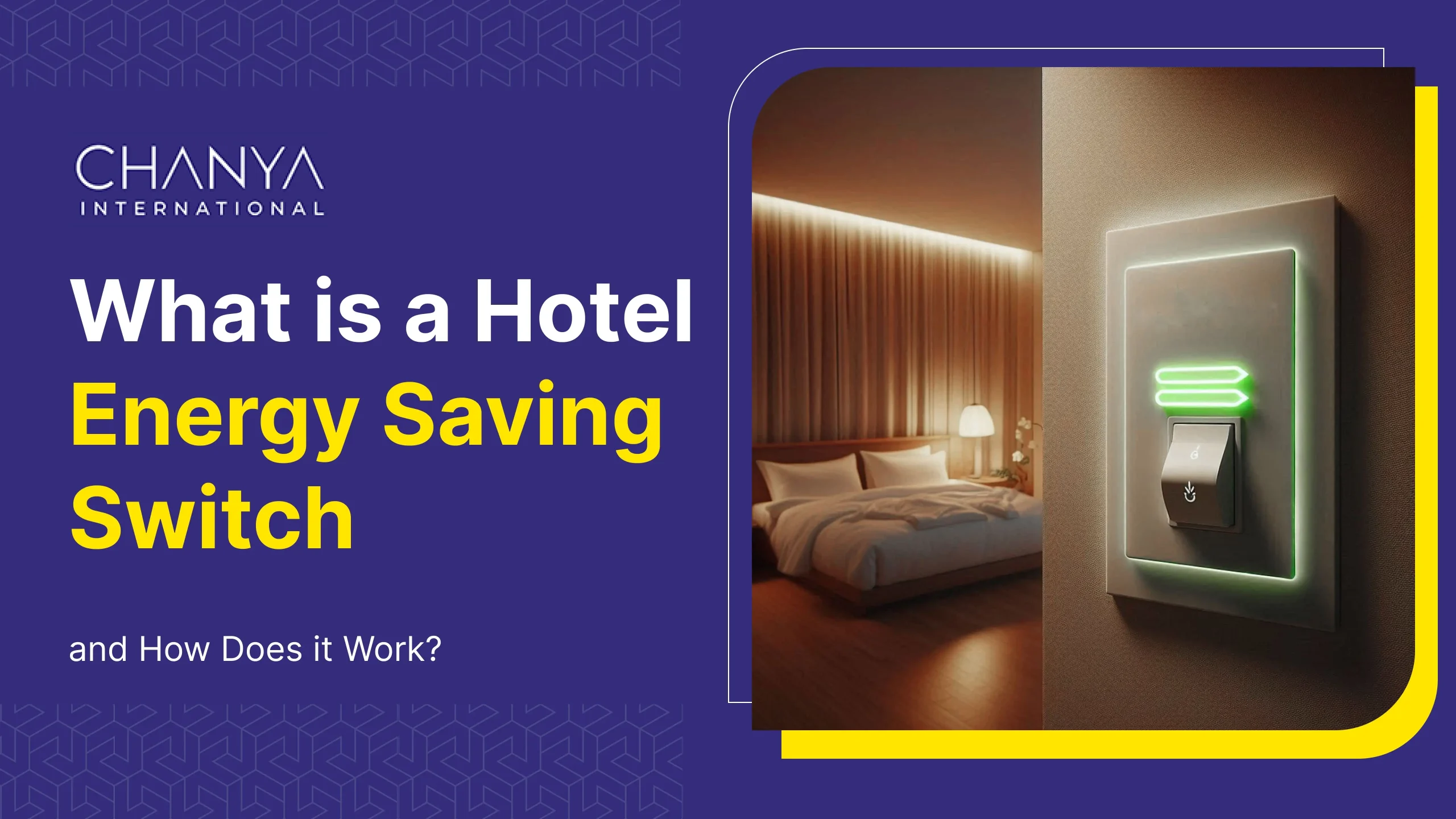
September 26, 2024
What is a Hotel Energy Saving Switch and How Does it Work?
Today, hotels are facing a significant challenge: the operational costs...
Read More
September 12, 2024
Top 6 Hotel Security Devices To Keep Your Guests Safe
Within the hospitality industry, hotels are greater than simply locations...
Read More
August 13, 2024
Guide On How To Enhance Guest Experience in Hotels?
Creating a memorable guest experience is no longer a luxury;...
Read More
August 5, 2024
Hotel Lobby Signage Items – Types And Their Importance
Imagine creating a hotel experience that delights guests and keeps...
Read More
July 24, 2024
Easy Upgrades for Your Hotel in 2026
Ensuring your hotel remains vibrant and appealing is essential for...
Read More
April 3, 2024
10 Must-Have Hotel Supplies for Guest Satisfaction in 2026
Ensuring your hotel guests are happy is crucial for your...
Read More
April 3, 2024
The Importance of Quality Housekeeping Supplies
In the hotel industry, providing excellent service to guests is...
Read More
April 3, 2024
Trends in Lobby Design and Products for 2024
Thinking about upgrading your hotel lobby? It's important to make...
Read More
December 26, 2023
The International Food & Hospitality Fair
Lorem Ipsum is simply dummy text of the printing and typesetting...
Read More
December 26, 2023
The International Food & Hospitality Fair
Lorem Ipsum is simply dummy text of the printing and...
Read More
December 26, 2023
The International Food & Hospitality Fair
Lorem Ipsum is simply dummy text of the printing and...
Read More
December 25, 2023
The International Food & Hospitality Fair
Lorem Ipsum is simply dummy text of the printing and...
Read More
December 25, 2023
The International Food & Hospitality Fair
Lorem Ipsum is simply dummy text of the printing and...
Read More
December 25, 2023
The International Food & Hospitality Fair
Lorem Ipsum is simply dummy text of the printing and...
Read More